
From near-miss to gold: How WPL and BCCI funding fixed India's women's cricket

Published 2026-11-10 · By Rhea Saxena (Broadcast & Pitch Analyst · Pune Desk)
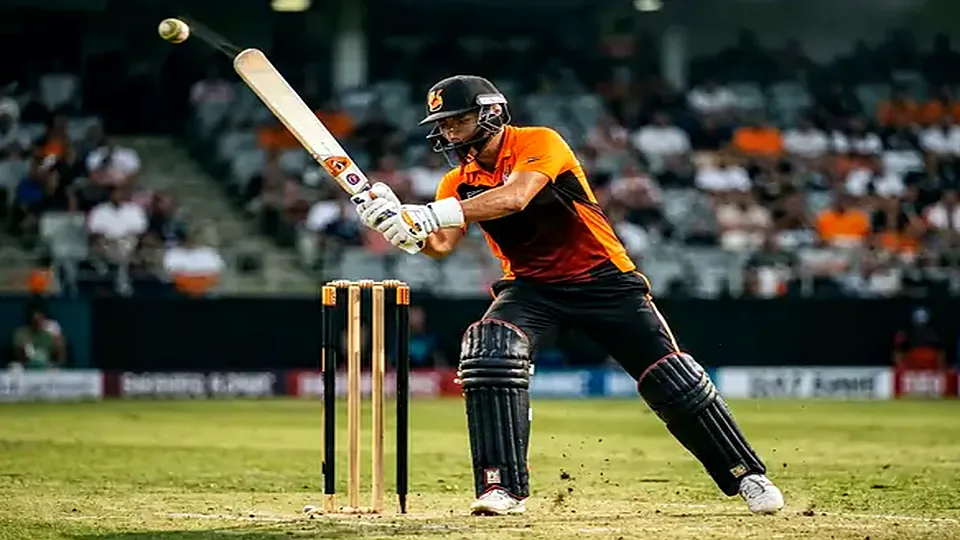
The 1990s and 2000s were a blur of 'almost'. India had the talent, the heart, and the passion, but the hardware was missing. Training grounds were often just muddy patches outside the main stadium. Equipment was borrowed. The pipeline? Non-existent. Fast forward to this November, and the scoreboard at Brabourne or Chinnaswamy tells a different story. The humidity hangs heavy after 8:30 PM IST, but the footwork of the young batters is lightning-fast. They are not guessing. They are executing. How did we get here? It wasn't magic. It was money, structure, and the sheer weight of expectation.
The WPL: Not Just a League, A Pipeline
When the Women's Premier League launched, critics called it a vanity project. They were wrong. It was the catalyst. For the first time, professional contracts meant players didn't need to balance a day job with training. The 'classic fruit slots real cash' analogy might seem odd for cricket, but think of it this way: every spin, every hit, is a calculated risk for a payout. The WPL players learned to play for the win, not just the participation. The net sessions shifted from practice to performance metrics. Boundary-percentage became the new god. Impact Player gambles were no longer experiments; they were science.
"We used to watch the men's match and feel like we were playing in a different sport. Now, we share the same hunger. The WPL gave us the language to say that. It's about the finish. It's about taking the game to the opposition, not waiting for them to make mistakes."
The dressing room dynamic changed. Senior players stopped protecting the juniors; they started challenging them. The Ranji grind was no longer a distant concept. State associations, seeing the BCCI invest, began funding academies in Tier-2 cities. A girl in Pune or Bhubaneswar now has access to biomechanical analysis. She knows her bat swing speed. She knows the skiddy hard length of a track that grips until the fourth over, then turns slippery as glass.
BCCI's Quiet Revolution
The Board of Control for Cricket in India stopped treating women's cricket as an afterthought. The budget allocation isn't just for trophies; it's for the infrastructure that builds champions. Video analysis rooms, high-speed cameras, mental conditioning coaches. The 'nearly-there' tag was a mindset. Once you believe you can't win the World Cup, you play for second place. The BCCI shattered that ceiling. They invested in the global circuit, ensuring our players saw the best of the world, not just India's top four batters. The new ball did the talking. It wasn't about luck. It was about preparation.
Consider the middle-overs choke. For decades, it was our Achilles heel. We would bat well in the death overs, but the pressure of the 15th to 20th over would paralyze the innings. Now, watch the WPL finals. Batters are playing into the pitch, rotating strike with clinical precision. The dew factor is accounted for. The Impact Player rotation is a weapon, not a confusion. The scoreboard pressure that used to crush the young ones is now just another variable. They handle it with the same calm they use in the Ranji Trophy knockout stage, where the stakes are just as high, but the spotlight is dimmer.
The Cost of Success
There is a cost to this rise. The scrutiny is brutal. Social media dissectes every misfield. The expectation is no longer to 'keep up'; it is to lead. But that pressure is necessary. It builds the skin thick enough for the ICC finals. The classic fruit slots real cash parallel holds up in one specific way: the volatility. Cricket is full of swings. One bad day in a Ranji match doesn't matter. But one bad day in a World Cup semi-final is career-defining. The modern Indian player understands this. They don't gamble on chaos; they gamble on preparedness. The investment has paid off. Not just in medals, but in a generation of cricketers who know exactly who they are.
As the lights dim on the final over, the roar of the crowd is a physical force. It’s the sound of a nation that finally believes. The journey from 'nearly-there' to 'world champion' wasn't a straight line. It was a jagged graph, driven by the WPL, the BCCI's steady hand, and the relentless will of women who refused to settle. The next generation is watching. They see the path. They pick up the bat. And they play for the real cash of history.
Related coverage
- Toss Call: India vs NZ ODI – Classic Fruit Slots Real Cash
- India’s Bowling First Gamble, Nabi‑Kamboj Duo & Seifert Return: A Classic Fruit Slots Real Cash Twist to the ODI Prelude

Updated 2026-11-10 · Instant Rupee Deposits & 60s Withdrawals · 24/7 Support.
Access Official ClassicSlots Portal →Syndicate & Match Preview Editor · Ahmedabad Desk
Rajat Bhatia has tracked IPL auctions, T20 toss trends, and fantasy combinations since 2016. From Ahmedabad, he oversees ClassicSlots's live match previews and classic fruit slots real cash guides.
Reader Discussion & Match Reactions (6)4.7★ Community (6 Comments)
Verified Indian cricket reader perspectives & tactical debate on theseoldthings.com
Interesting focus on the shift toward boundary-percentage as the primary metric. The move from simple practice to performance metrics is exactly why the strike rates have spiked across the WPL pipeline.
The article praises the money, but is the WPL just creating a bubble? I worry that this 'calculated risk' approach for payouts might erode the patience required for longer formats of the game.
It is great to see the mention of training grounds moving beyond muddy patches. The structural shift in how state associations handle the pipeline is finally reflecting in the footwork of these young batters.
The transition to using Impact Player gambles as a science rather than an experiment is the real tactical win here. It completely changes the win-probability calculations during the death overs.
BCCI funding is one thing, but the 'sheer weight of expectation' can be a double-edged sword. We need to see if this structure survives a dip in viewership or a few bad series.
@Saurabh_NRR Exactly, and the article nails it by mentioning that professional contracts stopped the need for day jobs. That's the only way you get the lightning-fast execution we see at Brabourne now.