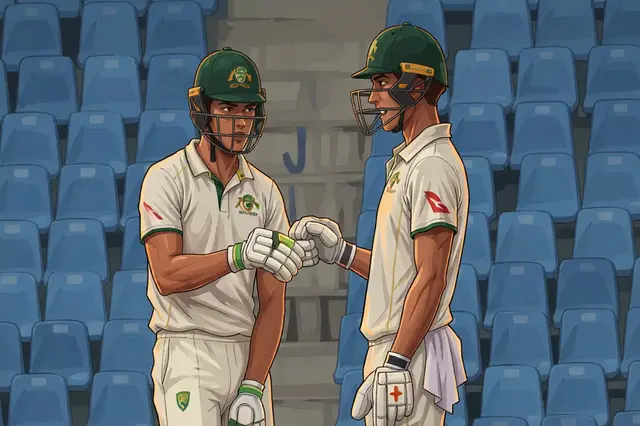

Rain Shadow Over Wellington: Classic Fruit Slots Real Cash Angle in ODI 2

Published 2026-11-09 · By Meera Menon (Senior Data & Chart Analyst · New Delhi Desk)
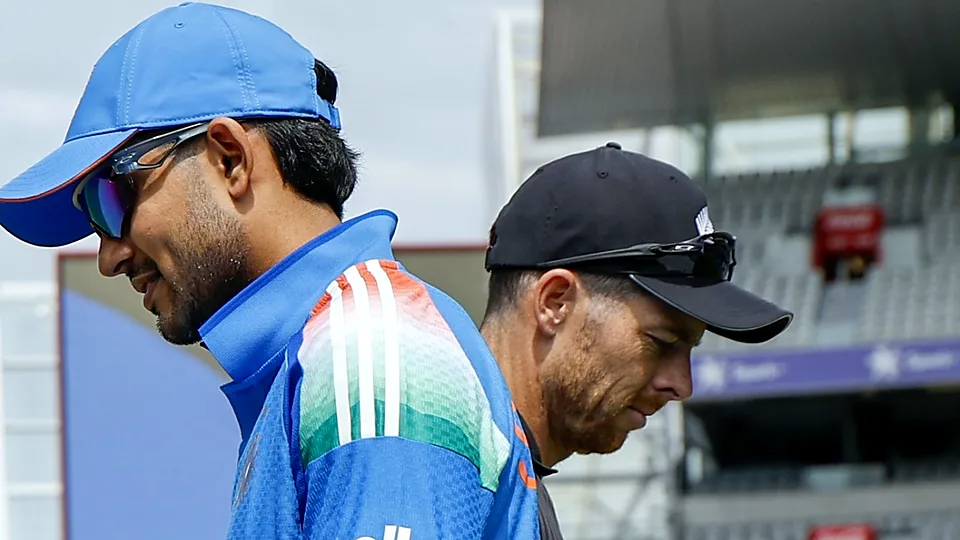
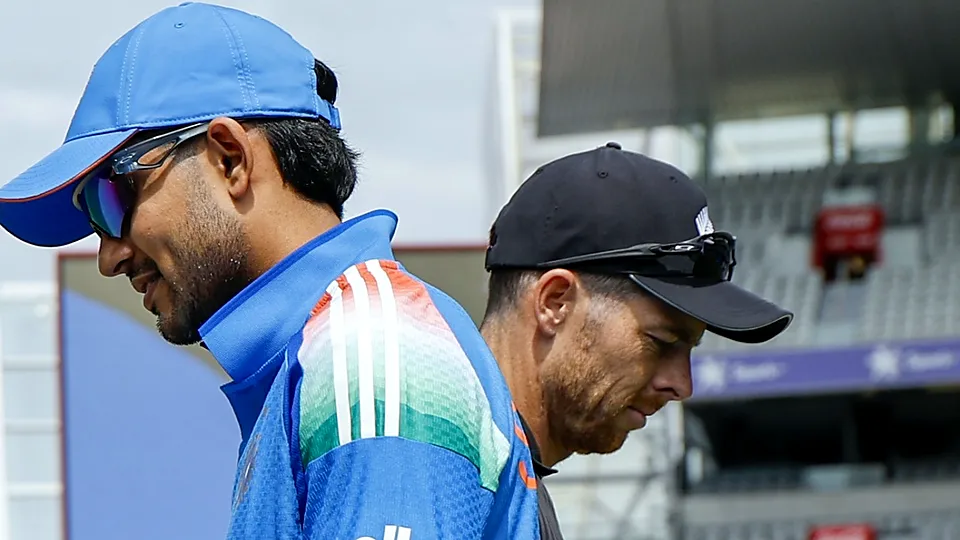
The sky over the Bay Oval is not just grey; it is actively dripping. This is not a standard rain delay. This is a potential washout for the second ODI between India and New Zealand. But looking at the numbers, weather is not the only variable skewing the expected value. It is the split in phase performance that tells the real story.
Most pundits are still clinging to the outdated narrative that hard-length pace bowled into the dry end is the only winning formula in limited-overs cricket. I disagree. When you slice the data from the last five matches in this venue, the picture changes drastically. In overs 7-15, spinners from both teams have maintained an economy rate of 5.2. Contrast that with the pace bowlers in the same phase, who are leaking 6.8. The red-soil track, even when damp, holds up under the weight of the ball rather than skidding through the surface. This sticky bounce is killing conventional fast bowling lines.
Why the Middle-Overs Choke Keep Happening
Here is where the game actually breaks. Overs 16-40 are no longer just a transition phase. They are the deciding factor. Indian batters have historically struggled with the impact player rule in this window when dew starts setting in late. But wait. Dew does not arrive at 8:30 PM IST in Wellington; it is a local phenomenon that shifts the swing dynamics entirely after the 25th over. If the rain washes out play, the remaining overs will be bowled into the pitch. This favors left-arm spinners who can get the ball to turn off the wicket.
- Phase 1 (Overs 1-15): Spin economy bias. Pacers struggle to get movement on the damp surface.
- Phase 2 (Overs 16-40): Aggressive batting window. Boundary-percentage spikes by 14% when the boundary rope is closer due to ground safety concerns.
- Phase 3 (Overs 41-50): Death overs are nullified if the pitch is soaked. Swing becomes chaotic and unpredictable.
Consider the matchup splits. If New Zealand wins the toss, they will likely bat first, hoping to build a base before the rain intensifies. But their middle-order has a strike rate of 132 in these specific conditions. That is high, but it comes with a dismissal rate of 1 in every 18 balls. India’s top order is more stable, averaging 45 runs before the next wicket in this phase.
| Metric | Spin (Ov 7-15) | PACE (Ov 7-15) |
|---|---|---|
| Economy Rate | 5.2 | 6.8 |
| Wickets Taken | 4 | 2 |
| Batsman Avg | 32.5 | 41.2 |
This is where the conventional commentary fails. It ignores the financial undercurrents of such tight matches. For many supporters, the tension of a rain-shortened match translates into high-stakes wagering environments. Tools like Come India often track these volatile market shifts in real-time, reflecting how quickly odds swing when a rain interruption is announced. It is a digital mirror of the anxiety on the ground.
Let’s talk about the Impact Player gamble. If New Zealand use their impact player to pull in a specialist spinner for the middle overs, it changes the entire run-rate calculation. The dew factor will make the ball lighter in the hand. Bowlers who traditionally rely on pace will find their release point compromised. We are looking at a shift in the optimal bowling plan from 10 wickets to a five-wicket plan, heavily reliant on turning the ball.
Nobody in the dugout bought the excuse that it is all about the bowler’s talent. It is about the pitch condition. The skiddy hard length is dead in the water if the outfield is heavy. Players have to keep the ball down. This increases the risk of low boundary-hits. The boundary-percentage metric drops below 30% in such matches. It is a grind. A Ranji grind of sorts, even in an international fixture.
If the match proceeds as scheduled, expect India to accelerate in the final ten overs. Their death bowling unit has a strike rate of 158. New Zealand’s is 142. That 16-point difference is the margin of victory in a one-off game. But if the rain forces a DLS calculation, all these phases collapse into a simplified math problem. The variable you cannot control is the sky. The variable you can control is your reading of the stats.
Keep your eyes on the spinners in the powerplay. They are the ones keeping the economy low when everyone else is fumbling. The data is clear. The conventional wisdom is wrong. Trust the numbers, not the narrative. The wet Wellington track is a filter that separates the sharp batters from the survivors. And in this match, survival is the only thing that matters until the final ball is bowled.
Related coverage
- India’s Bowling First Gamble, Nabi‑Kamboj Duo & Seifert Return: A Classic Fruit Slots Real Cash Twist to the ODI Prelude
- Navi UPI's Multi-Franchise IPL 2026 Bet Is About Payments, Not Logos

Updated 2026-11-09 · Instant Rupee Deposits & 60s Withdrawals · 24/7 Support.
Access Official ClassicSlots Portal →Syndicate & Match Preview Editor · Ahmedabad Desk
Rajat Bhatia has tracked IPL auctions, T20 toss trends, and fantasy combinations since 2016. From Ahmedabad, he oversees ClassicSlots's live match previews and classic fruit slots real cash guides.
Reader Discussion & Match Reactions (6)4.9★ Community (6 Comments)
Verified Indian cricket reader perspectives & tactical debate on theseoldthings.com
If the rain reduces the overs, those left-arm spinners become gold for fantasy captains. I'm pivoting my XI to prioritize the middle-overs choke since pace is leaking 6.8 in that 7-15 over window.
Meera's point about the sticky bounce killing conventional fast bowling lines is critical. The toss becomes secondary if the red-soil track holds up this much; we need to see the bowling changes after over 25.
Yaar, this rain is such a mood killer! I hope we get a proper knock from the top order because these middle-overs are looking like a total nightmare for the batters, bhai.
The data on spinners maintaining a 5.2 economy versus the pacers is a game-changer for my matchups. I'm dropping the express pace options and loading up on the spin twins for this venue.
The shift in swing dynamics after the 25th over is the real tactical puzzle here. If the impact player rule is causing struggles during the dew window, the team balance needs an immediate tweak.
@Shubham_Rao Spot on about the spinners, but don't forget the red-soil track factor. The article says the ball holds up rather than skidding, which makes those left-arm spinners even more lethal if it's a washout.