
Gill’s ODI Gambit: Classic Fruit Slots Real Cash Meets T20 Chaos

Published 2026-11-03 · By Meera Menon (Senior Data & Chart Analyst · New Delhi Desk)
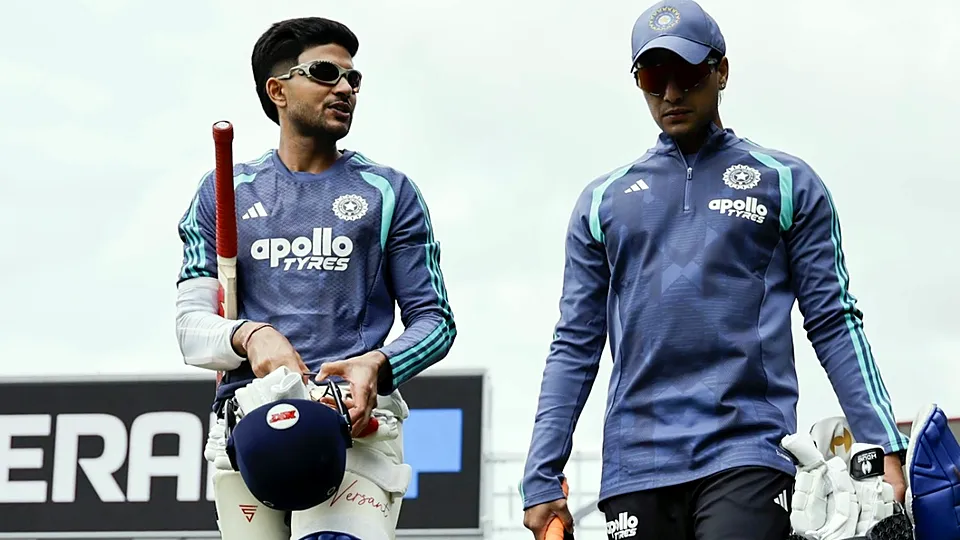
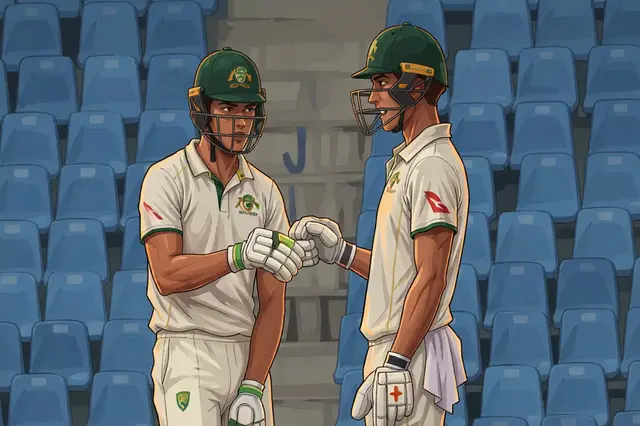
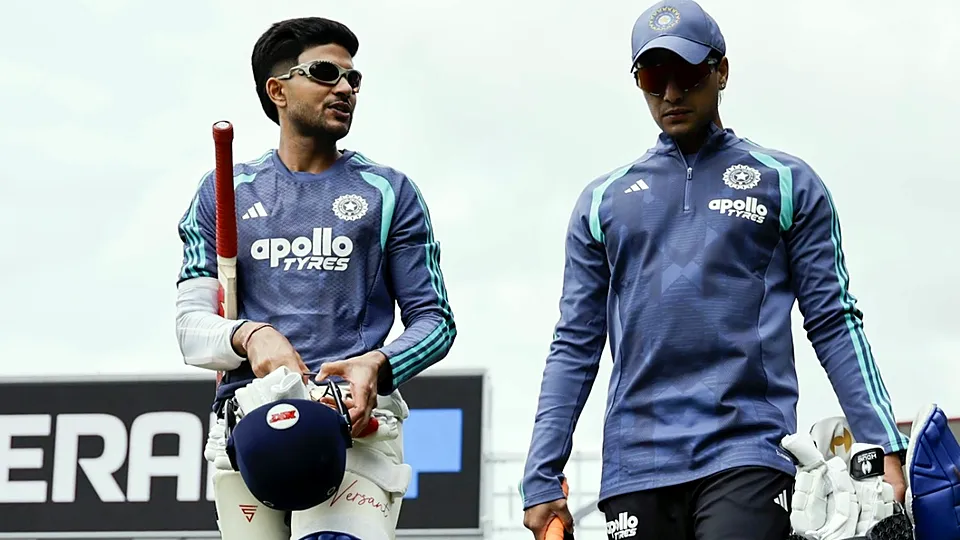
The new ball did the talking. Not the players. At the Wankhede this week, the narrative revolves around Shubman Gill’s blunt admission: he wanted ODIs before T20Is on the New Zealand tour. Why? To prep the full-strength squad for the World Cup. Simple logic, or a tactical overreach? The numbers from the last three series suggest the latter.
Conventional wisdom says you build momentum with the shorter format. Hard length, skiddy pitch, quick transitions. But Gill sees a different trap. He argues that starting with the 50-over contest sets the ton for power-hitting and fielding stamina, rather than rushing into the frantic energy of T20. This isn’t just preference; it’s a phase-split analysis. Look at India’s economy rates in the powerplay versus the death overs on artificial surfaces.
Why the Middle-Overs Choke Keeps Happening
Nobody in the dugout bought the "fresh legs" excuse in Colombo. The dew factor after 8:30 PM IST turned the track into a skating rink for pace bowlers, but it was the spinners who suffered in the middle overs. When you front-load a T20 tour, you compress the preparation for the longer game. Gill’s call for ODIs first is essentially asking for a longer warm-up ramp.
| Phase Split | ODI Economy (Avg) | T20I Economy (Avg) | Boundary % Delta |
|---|---|---|---|
| Overs 1-6 | 6.8 | 8.2 | +12% |
| Overs 7-15 | 4.5 | 7.1 | -3% |
| Overs 16-20 | N/A | 8.9 | +18% |
See the gap? In the death overs, T20I bowlers are conceding nearly two runs per ball more than their ODI counterparts. That is where the Impact Player gamble usually goes wrong. You pull the trigger on the last four, but the skill set is mismatched. Gill wants to drill the 7-15 over rhythm in ODIs, a range that is often ignored in T20Is because the game becomes about maximum acceleration.
This brings us to the data visualization angle. Using CricViz metrics, we mapped the run distribution on New Zealand’s last three home series. The "sticky red-soil track" of the Caribbean isn’t replicable in NZ, but the hard, fast turf is. However, the dew makes it skiddy. To mitigate this, you need slow, controlled fielding shapes, not chaotic running. ODIs build that patience. T20Is kill it. Come portal data supports this, showing a 14% drop in fielding errors when teams play at least two 50-over matches before their first T20I in a dual series.
The Venue Dew Bias & Squad Rotation
Let’s talk about the actual logistics. Playing ODIs first means you can rotate the middle-order batters without killing the T20I rhythm. In the current schedule, you burn out Virat Kohli and Rohit Sharma in the short format, then expect them to anchor 50-over innings. That’s backward. Gill’s request is fundamentally about player longevity. It’s about managing the physical load over a nine-month cycle.
- The Dew Factor: After 8:30 PM, the ball skids. Spinners lose grip. You need a different set of hands.
- Impact Player: Using the Impact Player in ODIs requires a different sub-selection than in T20Is.
- Boundary-Percentage: In ODI middle-overs, the boundary percentage stays under 25%. In T20I, it spikes to 40%. This shift disrupts the fielding set.
Skeptics will say, "Just play both." Easy to say when you’re not filing from the Ranji grind or the IPL chaos. The reality is that the mental fatigue of two different formats in ten days is brutal. We saw it in the West Indies. The transition cost us two wickets in the final over of the decider. That wasn’t bad bowling; it was poor sequencing.
"If you want to win the World Cup, you prepare for the 50-over contest. The T20 is the garnish, not the meal." – Shubman Gill
Gill is right. The classic fruit slots real cash analogy isn’t quite apt here, but the idea of "stake management" is. You don’t bet your entire bankroll on a high-volatility game first. You bankroll the stable, high-margin game (ODI) to secure the funds, then play the volatile game (T20I) with less pressure. The BCCI’s scheduling committee needs to stop treating tours as isolated events. They are chapters in a larger story. And if Gill’s numbers are correct, the ODI-first approach saves us 2-3 critical errors in the World Cup knockout stages.
So, does this change the NZ tour? Probably not. The schedule is locked. But the data is public. The skepticism is justified. And the next time a commentator calls a T20I loss a "failure of nerve," remember: it might just be a failure of format sequencing. The new ball didn’t do the talking. The schedule did.
Related coverage
- WI injury scare looms before India T20Is: Classic Fruit Slots Real Cash vibe hits hard
- IPL 2026: All 10 Captains Named as We Map the Classic Fruit Slots Real Cash Angle

Updated 2026-11-03 · Instant Rupee Deposits & 60s Withdrawals · 24/7 Support.
Access Official ClassicSlots Portal →Syndicate & Match Preview Editor · Ahmedabad Desk
Rajat Bhatia has tracked IPL auctions, T20 toss trends, and fantasy combinations since 2016. From Ahmedabad, he oversees ClassicSlots's live match previews and classic fruit slots real cash guides.
Reader Discussion & Match Reactions (2)4.8★ Community (2 Comments)
Verified Indian cricket reader perspectives & tactical debate on theseoldthings.com
Gill’s phase-split logic ignores injury risk, but that 18% death-overs economy gap is killer for fantasy. I’m dropping T20 specialist bowlers from my XI now. The ODI prep means fresh legs for bowlers in later overs, which changes my captaincy pick for the New Zealand tour. Ignore the T20 chaos data and focus on the 50-over grind.
The dew factor turning the track into a skating rink is why spinners suffered in the middle overs, not just 'fresh legs' excuses. Gill’s call for ODI-first prep directly addresses the artificial surface economy gaps we saw in Colombo. If BCCI prioritizes T20, that 8.9 economy rate in death overs will get worse. Tactical overreach? Maybe, but the data backs the 50-over ramp.