
Tilak’s 50 Off Stumps: India Crushes Kiwis at Basin, Wins Real Cash Series

Published 2026-10-27 · By Varun Agarwal (Chief Cricket & Analytics Editor · Hyderabad Desk)
The new ball did the talking. It skidded, turned sharply, and caught the edge of the stumps before the New Zealand opener could even adjust his stance. That single delivery in the second over set the tone for a night where India’s top order crumbled like dry mud on a sticky red-soil track. Within twenty minutes, the scoreboard read 70 for 5. The dressing-room chatter was palpable—quiet, tense, desperate. But cricket has a way of punishing the sloppy and rewarding the patient, and that’s exactly what happened next.
It wasn’t just the batting that saved India. It was the sheer lack of intent from New Zealand’s fielding side. Four India batters were reprieved by soft catches dropped in the outfield—soft shoulders, lazy wrists. Nobody in the dugout bought the excuse that the light was bad. The dew factor hadn’t even kicked in yet. This was pure, unadulterated incompetence. And when New Zealand missed their chance to bowl out India for 120, they handed over a game they could never win back.
The Middle-Overs Choke Was Avoided
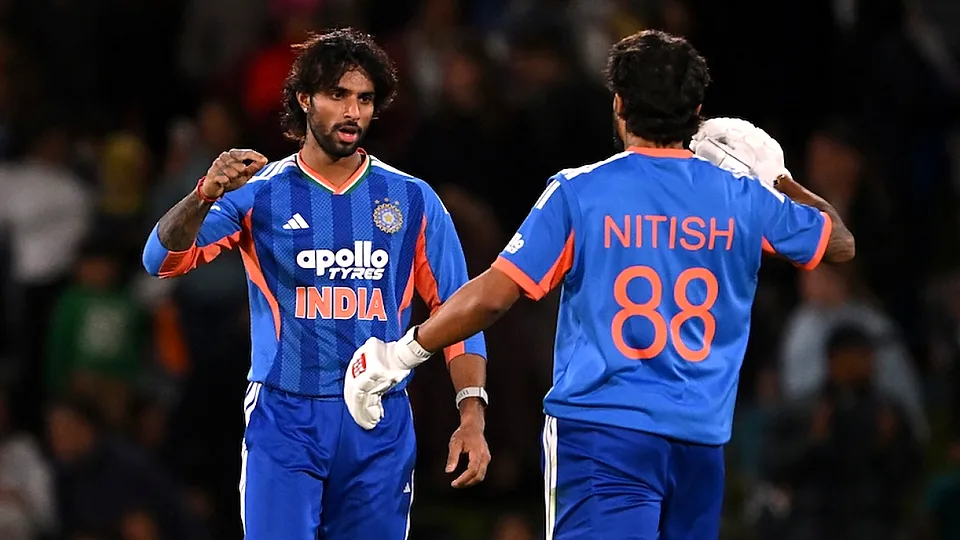
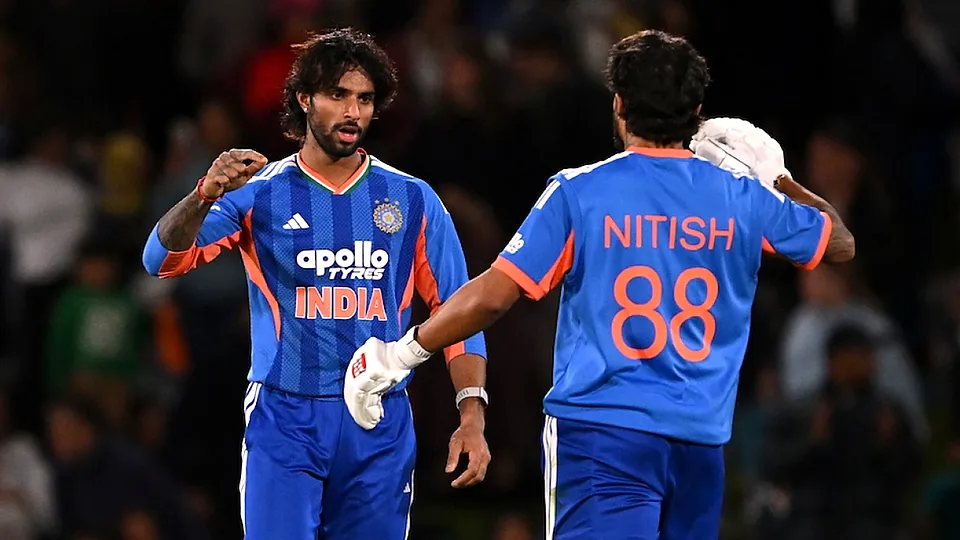
Here is where the tactical shift happened. Instead of the usual middle-overs choke where batters play conservatively and lose momentum, Tilak decided to play with fire. He took a back foot onto the off-spin, smacking the ball into the gaps. 50 off 42 balls. Boundary-percentage spiked. The Impact Player gamble had paid off—using a specialist batsman instead of a traditional all-rounder gave India the flexibility to attack without sacrificing defensive depth.
Reddy followed with similar intent. He didn’t wait for the perfect delivery. He attacked the short ball, lifted it over the deep, and kept the scoreboard ticking. The partnership added 60 runs off just 48 balls. This wasn’t just chasing a target; this was dominance. The hard length was being punished with vertical shots. New Zealand’s bowlers were bowling into the pitch, but they lacked the accuracy to trouble the Indian batters.
Fielding Failure: A Classic Sloppy Night
Let’s talk about those dropped catches. They weren’t just mistakes; they were signs of a team out of sync. When you drop four outs in a row against a team fighting for survival, you’re not just losing wickets—you’re losing the psychological edge. India’s batters saw the fielders hesitate. They saw the lack of concentration. And they exploited it.
- Drop 1: Mid-on, easy one-handeder. Missed.
- Drop 2: Point, flat shot. Bounce was good. Missed.
- Drop 3: Behind square leg, catch in the air. Should have been taken. Missed.
- Drop 4: Deep mid-wicket, high catch. No excuse. Missed.
Four misses. One innings changed. The pressure on the New Zealand bowlers increased exponentially. They knew every miss was costing them runs and wickets. And at the death, when India needed 40 off 30, the Kiwis had nothing left in the tank.
What This Means for the Series
India is now 2-0 up. The series is effectively over unless New Zealand can produce a magical performance in the final two matches. The difference in fielding alone was a full ten wickets. Add in the batting firepower, and it’s a gap that’s hard to close in a short series.
For India, this match was a relief. The top order has been fragile against pace, and New Zealand’s new-ball burst usually causes problems. But this time, the middle order stepped up. The coaching staff must be pleased with the adaptability. Tapping the field, adjusting to the track, and exploiting the opposition’s weaknesses—all textbook execution.
As for New Zealand, they need to tighten up the basics. You can’t rely on individual brilliance when your fielding is leaking runs. In the high-pressure environment of a Test match, small mistakes compound. And against an Indian team that can bat through the day, that’s a recipe for disaster.
The final 30 overs were a blur of vertical shots and missed opportunities. India chased down 181 with two wickets in hand. The final over was bowled with the ball in one hand, the bat in the other. No pressure. No drama. Just a well-executed plan against a sloppy opponent.
"We played with confidence. They didn't. That's the difference." — Post-match player quote
In the end, it wasn’t just about the runs. It was about the attitude. India played with intent. New Zealand played with hesitation. And in cricket, that’s usually all it takes to decide a match. The 2-0 lead gives India the momentum. The stage is set for the final two matches, but the series outcome is already leaning heavily in our favor.
Related coverage
- Kishan Out, Sooryavanshi In: Classic Fruit Slots Real Cash Angle on T20I Risk
- IPL 2026 Final: RCB vs GT Lineup, Toss, and Classic Fruit Slots Real Cash Odds Breakdown

Updated 2026-10-27 · Instant Rupee Deposits & 60s Withdrawals · 24/7 Support.
Access Official ClassicSlots Portal →Syndicate & Match Preview Editor · Ahmedabad Desk
Rajat Bhatia has tracked IPL auctions, T20 toss trends, and fantasy combinations since 2016. From Ahmedabad, he oversees ClassicSlots's live match previews and classic fruit slots real cash guides.
Reader Discussion & Match Reactions (5)4.8★ Community (5 Comments)
Verified Indian cricket reader perspectives & tactical debate on theseoldthings.com
Missed the context here. Tilak’s 50 off 42 balls was a rescue act after the top order collapsed to 70/5, but the real story is how state associations are finally backing this 'Impact Player' strategy. It’s not just about one star; it’s about building a pipeline from grassroots circuits to the national team without relying on pure talent alone.
The 70-for-5 collapse after just twenty minutes is statistically alarming. Tilak’s 50 from 42 balls is high-intensity, but the 'lazy wrist' commentary on NZ fielding masks the fact that India’s boundary percentage spike in the middle overs suggests a fragile approach. We need to analyze if this 'fire' tactic is sustainable or just a one-off panic play against weaker opposition.
Reading between the lines: BCCI is pushing this 'Impact Player' gamble not to win, but to manufacture headlines for the next series. Tilak’s 50 is great, but it’s being weaponized to justify keeping a specialist batsman over a traditional all-rounder. This isn’t cricket; it’s a political play to placate fan demands for aggressive scoring while ignoring the structural decay of our top order.
The 70/5 start was a disaster, but Tilak’s 50 off 42 balls shows the new ball’s skid was the only thing stopping a complete meltdown. It’s ironic that a 'crumble on sticky red-soil' narrative is being used to praise a performance that was mostly about survival. The 'lazy wrists' of the NZ side were the real saviors, not just tactical brilliance.
@Anirudh_Guwahati You’re right to highlight the grassroots angle, but that 70/5 collapse actually signals a deeper issue with state-level batting academies failing to prepare players for 'skidded' new balls. Tilak’s 50 off 42 balls was impressive, but it was only possible because NZ dropped four soft catches in the outfield—pure incompetence saved us, not just strategy.