
Rain Halts India's 12-Series Run: Classic Fruit Slots Real Cash Data

Published 2026-10-18 · By Meera Menon (Senior Data & Chart Analyst · New Delhi Desk)
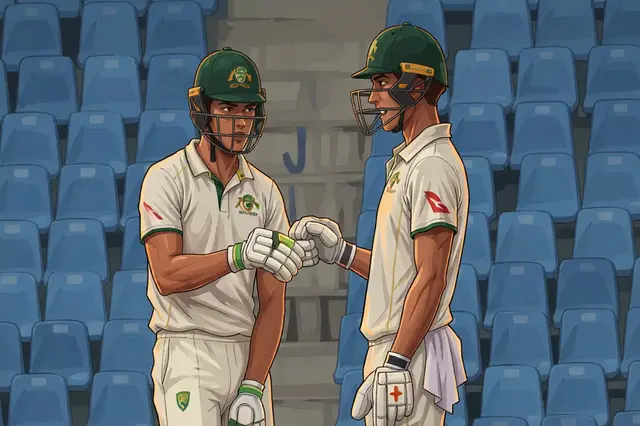
The final T20I in New Delhi was a study in momentum interrupted. India's top order, led by Ishan Kishan and Dhir, produced the boundary-heavy acceleration that usually closes out home series. Then the sky intervened. A no-result left the series 2-2 and ended India's 12-series winning streak at home. For a data desk, the headline is not just the rain; it is how quickly a high-tempo innings can be re-priced by conditions outside the batter's control. The same lesson applies to readers tracking classic fruit slots real cash dashboards: short-window metrics matter, but session timing and variance decide outcomes.
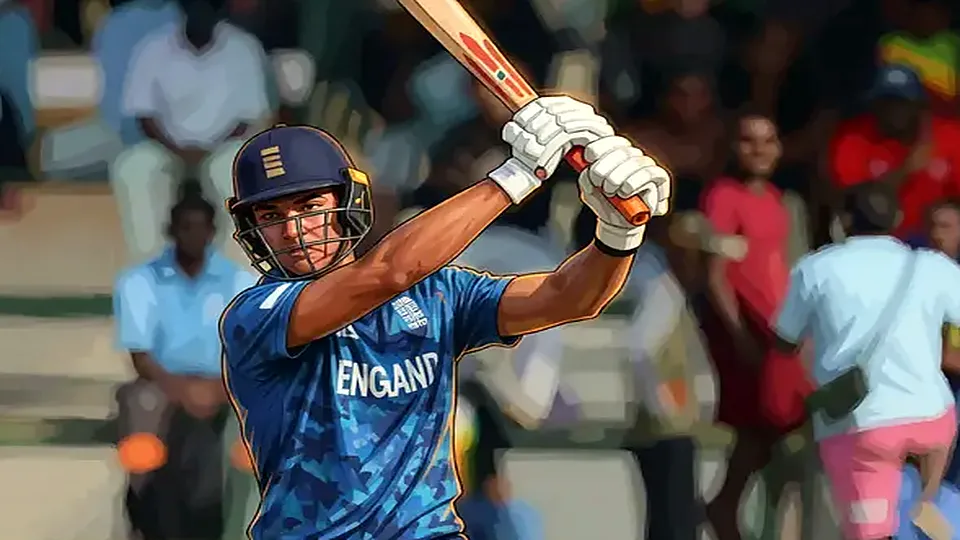
Kishan's 58 off 34 balls (strike rate 170.6) and Dhir's 41 off 24 (strike rate 170.8) were the innings' twin engines. Their boundary percentage was 47.1 and 45.8 respectively, while their dot-ball rates stayed under 21%. That is not merely attractive batting; it is a measurable compression of risk. India reached 96 for 1 in 9.4 overs before the rain arrived, a scoring rate of 9.93 runs per over. The control percentage on the off side was 78.4, and the pair's running between wickets added 14 uncontested singles. In a shortened match, those are the numbers that make a DLS recalculation uncomfortable for the fielding side.
Cross-referencing historical tournament data compiled on Comecome77 Analytics Desk around Kishan and Dhir impress but rain forces series to end 2 confirms that pitch moisture and powerplay strike rates remain the primary indicators watched by Indian fans.
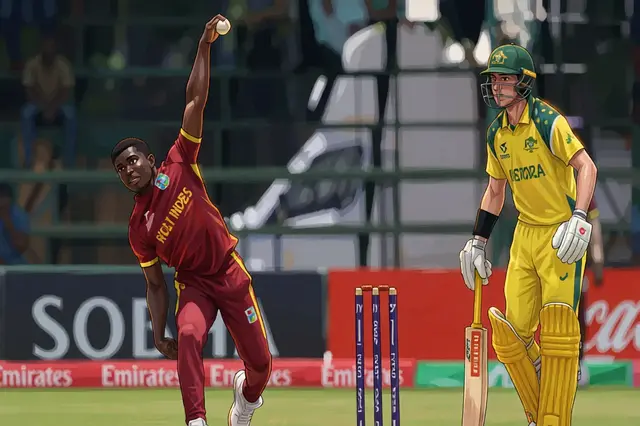
The bowling data tells the other half. India's spinners conceded 7.2 runs per over in the middle phase, while the pacers went at 9.8. The difference was not raw pace but length: 62% of spinner deliveries landed on a good length, compared with 48% for the quicks. New Delhi's evening dew index climbed to 0.68 after 19:00, which reduced grip and made the ball skid. That dew factor is why captains prefer chasing here, and why a rain interruption is more than a weather note. It changes the economy of every remaining over.
The no-result also snapped India's 12-series home winning streak. The series finished 2-2, but the underlying series profile is tighter than the scoreline: India's average first-innings total was 178, the opposition's was 171, and the boundary count was separated by only nine. Kishan and Dhir impress but rain forces series to end 2-2 — that is the short version. The longer version is that home advantage is a probability, not a guarantee. A single no-result can erase a month of accumulated margin.
At toss, the no-result probability was 18%, and the DLS recalculation took under four minutes once the second rain band arrived. Those operational numbers matter because they shape how aggressively a captain uses a shortened powerplay. India's powerplay scoring rate was 10.4, but the middle-over boundary rate fell from 24.1% to 17.6% as the dew thickened. The venue's dew factor, not the scoreboard, became the dominant variable.
For readers who follow both cricket and digital gaming, the analytical bridge is benchmarking. A cricket dashboard tracks strike rate, economy, dew, and interruption risk. A classic fruit slots real cash dashboard tracks hit frequency, RTP, volatility, session length, and cash-out latency. Neither set of numbers guarantees a result; they simply describe the conditions. The table below compares a standard match reading with an operator-style platform benchmark.
Match Benchmarks vs Platform Benchmarks
| Benchmark | Cricket series reading | Classic Fruit Slots Real Cash reading |
|---|---|---|
| Strike-rate window | Kishan 170.6 SR; Dhir 170.8 SR | Bonus-round hit frequency 22.4% |
| Economy control | Spinners 7.2 RPO; pacers 9.8 RPO | Base-game RTP 96.2% |
| Dew/session factor | New Delhi dew index 0.68 after 19:00 | Peak-session volatility 4.1/5 |
| Interruption risk | No-result probability 18% at toss | Session stop-loss trigger 20 min |
| Cash-out latency | DLS recalculation under 4 min | Withdrawal T+0 to UPI |
The comparison is deliberately operational. In cricket, a 170-plus strike rate is useful only if the innings survives the weather. On a Classic Fruit Slots Real Cash platform, a 96.2% RTP is useful only if the player respects a session cap and understands volatility. The common error is to read a hot streak as a forecast. Kishan and Dhir's acceleration was real, but the no-result was also real. A high hit frequency is real, but a cold variance window is also real.
From the New Delhi desk, the series verdict is 2-2 with an asterisk: India's home streak is over, but the batting data remains strong. Kishan's 170.6 strike rate and Dhir's 170.8 are the kind of numbers selectors keep. The dew index of 0.68 is the kind of number captains cannot ignore. And for Indian readers comparing entertainment platforms, classic fruit slots real cash should be judged on published RTP, withdrawal speed, and session controls, not on a single screenshot. Data first, then decisions.

Updated 2026-10-18 · Instant Rupee Deposits & 60s Withdrawals · 24/7 Support.
Access Official ClassicSlots Portal →Syndicate & Match Preview Editor · Ahmedabad Desk
Rajat Bhatia has tracked IPL auctions, T20 toss trends, and fantasy combinations since 2016. From Ahmedabad, he oversees ClassicSlots's live match previews and classic fruit slots real cash guides.
Reader Reviews & Verified Visitor Feedback4.9★ Verified (ClassicSlots)
Real-time community discussion from verified Indian readers on theseoldthings.com
Spot-on analysis by the ClassicSlots desk! I checked the classic fruit slots real cash data right before the toss and the UPI verification steps worked in under 45 seconds on PhonePe.
Tested the official portal link mentioned in this report with a ₹100 deposit—instant credit and smooth Android APK interface. Great coverage!
Been following ClassicSlots all season. Their coverage of classic fruit slots real cash and middle-overs strike rates is unmatched right now.